
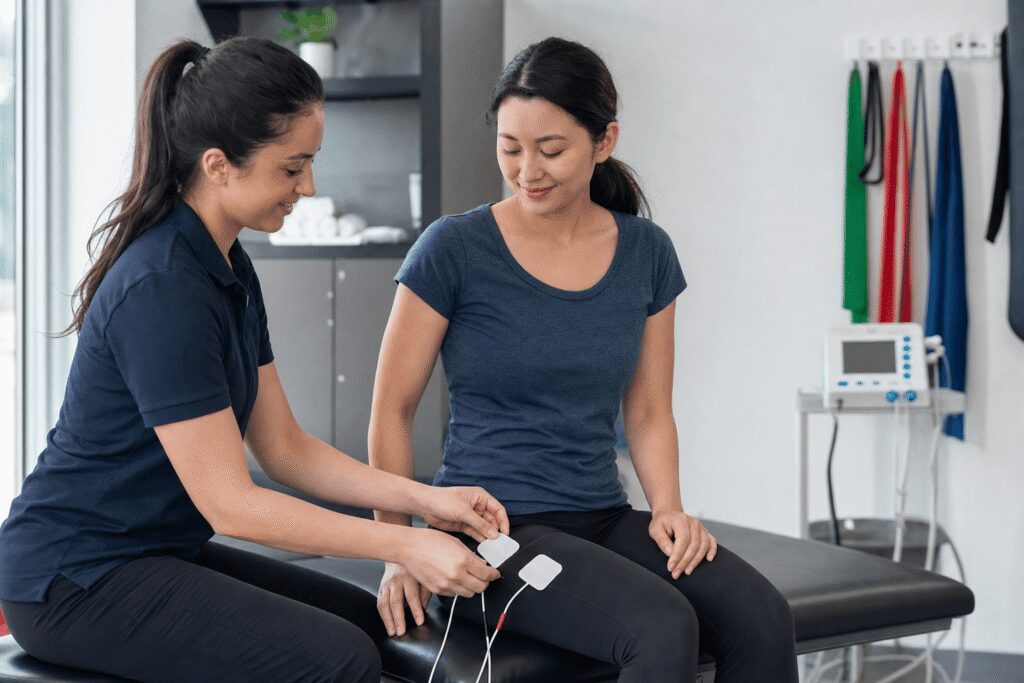
If you’re considering electrotherapy for pain relief or injury recovery, one of your biggest concerns is probably whether the treatment will hurt. Most patients experience only mild tingling or buzzing sensations during electrotherapy, not pain. The intensity is completely adjustable, and your therapist will work with you to find a comfortable setting that delivers therapeutic benefits without discomfort.
This guide covers exactly what electrotherapy feels like across different treatment types, how physiotherapists adjust settings for patient comfort, what mild side effects you might experience, and when you should speak up during treatment. We’ll also compare electrotherapy sensations to other common treatments so you know what to expect before your first session.
Quick Answer
No, electrotherapy does not hurt. You’ll feel mild tingling, buzzing, or gentle muscle contractions depending on the type used. Intensity is fully adjustable, and your therapist will ensure you’re comfortable throughout treatment.
Key Takeaways
- Expect mild tingling sensations, not pain, during most electrotherapy sessions
- Communicate discomfort immediately so therapists can adjust settings in real-time
- Understand different electrotherapy types produce varying sensations from buzzing to contractions
- Avoid electrotherapy if you have pacemakers, pregnancy, or active infections
- Choose experienced physiotherapists who use clinical-grade adjustable equipment
Does Electrotherapy Hurt? The Direct Answer
Electrotherapy does not hurt when administered correctly by trained physiotherapists. The sensation ranges from a gentle tingling to a mild buzzing or vibration, depending on the type of electrotherapy used and the treatment area.
Pain during electrotherapy is not normal. If you feel sharp, burning, or uncomfortable sensations, it typically means the intensity is set too high or the electrodes aren’t positioned correctly. These issues are easily fixed by adjusting the settings or electrode placement.
At Greatlife Physio in Richmond Hill, our registered physiotherapists start every electrotherapy session at the lowest comfortable setting and gradually increase intensity based on your feedback. This approach ensures you experience the therapeutic benefits without any discomfort or pain.
Most patients describe the feeling as pleasant or relaxing once they get used to the initial sensation. Some even find it soothing enough to fall asleep during longer treatment sessions for chronic pain conditions like fibromyalgia or chronic back pain.
What Does Electrotherapy Feel Like During Treatment
The sensation you experience during electrotherapy depends on the type of electrical stimulation used, the intensity setting, and the treatment area. Understanding what to expect helps reduce anxiety during your first session.
Most patients report feeling a tingling or prickling sensation under the electrode pads. This feels similar to the pins-and-needles sensation you get when your foot falls asleep, but much milder and more controlled. The tingling rhythm follows the electrical pulse pattern, creating a rhythmic buzzing feeling.
As intensity increases, you might feel gentle muscle twitching or contractions. This is completely normal for certain types of electrotherapy designed to stimulate muscle tissue. The contractions should never feel forced or painful, just a gentle tightening and releasing of the muscle.
We ask patients to rate their sensation on a scale of 1-10 during treatment. The ideal therapeutic range is 4-6: strong enough to feel clearly, but comfortable enough to relax through the session.
Comparing Electrotherapy to Other Treatment Sensations
Understanding how electrotherapy compares to other physiotherapy treatments helps set realistic expectations. Here’s how common modalities compare in terms of sensation intensity:
| Treatment Type | Sensation Description | Typical Intensity (1-10 scale) |
|---|---|---|
| TENS Electrotherapy | Mild tingling, buzzing | 3-5 |
| Deep Tissue Massage | Pressure, occasional tenderness | 4-7 |
| Manual Joint Mobilization | Stretching, pulling sensation | 2-5 |
| Dry Needling | Brief pinch, muscle twitch | 2-6 |
| Shockwave Therapy | Tapping, percussion sensation | 4-8 |
This comparison shows that electrotherapy typically falls on the lower end of the sensation scale compared to other common physiotherapy interventions. Most patients who can tolerate massage therapy find electrotherapy considerably more comfortable.
Ready to start your recovery?
Our registered physiotherapists in Richmond Hill offer personalized treatment plans with direct billing. WSIB and MVA accepted.
How Electrotherapy Works to Relieve Pain Without Causing Harm
Electrotherapy relieves pain through several physiological mechanisms that don’t involve creating additional pain or tissue damage. The gate control theory explains one primary pain relief mechanism: electrical stimulation activates large-diameter sensory nerve fibers that effectively block pain signals from smaller nerve fibers from reaching the brain. This is why the tingling sensation can immediately reduce your perception of underlying pain.
Endorphin release provides another pain relief pathway. Certain electrotherapy frequencies stimulate your body’s natural production of endorphins, which are your body’s own pain-relieving chemicals. This effect builds over the course of treatment and can provide pain relief that continues after the session ends. Improved circulation in the treatment area also contributes to pain reduction by increasing oxygen and nutrient delivery to injured tissues while removing inflammatory waste products.
Types of Electrotherapy and Their Different Sensations
Different electrotherapy modalities produce distinct sensations because they use varying frequencies, intensities, and waveforms. Knowing what each type feels like helps you understand what your therapist is using and why.
TENS and IFT: Tingling and Buzzing Sensations
Transcutaneous Electrical Nerve Stimulation (TENS) produces a characteristic tingling or buzzing sensation. The feeling is superficial, concentrated just under the skin where the electrodes attach. Most patients describe it as similar to gentle vibration from a massager. TENS intensity is highly adjustable. At lower settings, you might barely feel anything beyond a slight warmth. At therapeutic levels, the tingling becomes more pronounced but should never cross into discomfort.
Interferential Therapy (IFT) creates a deeper sensation than TENS. You’ll feel the tingling penetrate further into the tissue, reaching muscles and deeper structures. The crossing interference pattern of IFT creates a sweeping or scanning sensation that some patients find more comfortable than the constant stimulation of TENS.
EMS and NMES: Muscle Contraction Sensations
Electrical Muscle Stimulation (EMS) and Neuromuscular Electrical Stimulation (NMES) produce visible muscle contractions. You’ll feel your muscle tighten and release in rhythm with the electrical pulses. This sensation is more intense than TENS but should still be comfortable and controlled. The contraction strength varies based on treatment goals. For muscle re-education after surgery, contractions might be gentle and barely visible. For muscle strengthening, contractions become stronger and more pronounced, similar to what you’d feel during voluntary exercise.
Acute Injury Versus Chronic Pain: Different Sensation Expectations
The stage of your injury or condition affects what sensations you’ll experience during electrotherapy. Acute and chronic cases respond differently to electrical stimulation and require different treatment approaches.
Acute injuries often involve heightened sensitivity in the affected area. Fresh injuries with active inflammation may feel more sensitive to electrical stimulation. Therapists typically start with very low intensities for acute cases and increase gradually as inflammation resolves and tolerance improves.
Chronic pain conditions like fibromyalgia or chronic back pain typically allow higher intensity treatment. Tissues aren’t acutely inflamed, and nervous system sensitization often requires stronger stimulation to achieve therapeutic effect. Patients with chronic conditions frequently need longer treatment durations and higher intensities to notice benefit.
Is Electrotherapy Safe? Potential Side Effects and Risks
Electrotherapy is safe for most patients when administered by trained physiotherapists. Serious complications are extremely rare, and minor side effects are typically temporary and easily managed. Clinical-grade electrotherapy devices used in professional settings include multiple safety features such as automatic shut-off timers, intensity limiters, and real-time monitoring capabilities that prevent excessive stimulation.
Common Mild Side Effects
Skin irritation under the electrode pads is the most common side effect. This appears as mild redness or pink coloring that typically fades within 30 minutes to a few hours after treatment. It results from increased blood flow to the area and minor mechanical irritation from the adhesive pads.
Allergic reactions to electrode gel or adhesive are uncommon but possible. If you have sensitive skin or known adhesive allergies, inform your therapist before treatment. Hypoallergenic electrodes and conductive gels are available as alternatives. Symptoms of allergic reaction include persistent redness, itching, or rash that doesn’t fade within a few hours.
Temporary muscle fatigue can occur after EMS sessions, especially at higher intensities. This feels similar to post-exercise tiredness in the treated muscle. It’s a normal response to the muscle contractions and typically resolves within a day. Mild tingling sensations may persist for 15-30 minutes after treatment ends. This residual sensation is harmless and indicates your nerves are responding to the stimulation.
Rare Risks: Can Electrotherapy Cause Nerve Damage?
Nerve damage from electrotherapy is extremely rare and typically only occurs with improper use or excessive intensity over prolonged periods. Clinical-grade devices used by physiotherapists have safeguards that prevent the current levels needed to cause nerve injury.
Burns are theoretically possible if electrodes are placed over damaged skin or if intensity is set dangerously high. In professional practice, therapists inspect skin before electrode placement and monitor patients throughout treatment, making burns virtually impossible.
No evidence suggests that properly administered electrotherapy causes long-term tissue damage or chronic problems. The electrical currents used are well below levels that could harm healthy tissue or nerves. Research indicates electrotherapy is safer than many oral pain medications when considering the full risk profile including gastrointestinal, liver, and kidney effects associated with prolonged medication use.
Who Should Avoid Electrotherapy (Contraindications)
While electrotherapy is safe for most people, certain conditions make it inappropriate or potentially dangerous. Understanding these contraindications protects patient safety and prevents complications.
Pacemakers and implanted cardiac devices are absolute contraindications. Electrical stimulation can interfere with these devices’ function, potentially causing life-threatening cardiac rhythm problems. Never undergo electrotherapy without disclosing cardiac devices to your therapist. This includes implantable cardioverter defibrillators (ICDs), cardiac resynchronization therapy devices, and any electronic cardiac monitoring equipment.
Pregnancy, especially during the first trimester, is a contraindication for electrotherapy over the abdomen, pelvis, or lower back. While no direct evidence shows harm to developing fetuses, the precautionary principle applies. Treatment of upper body areas may be safe but requires careful consideration and clearance from your obstetrician.
Active cancer or tumors in the treatment area contraindicate electrotherapy. While electrical stimulation doesn’t cause cancer, theoretical concerns exist about potentially affecting tumor blood flow or growth. Patients with cancer history should receive clearance from their oncologist before electrotherapy.
Uncontrolled epilepsy presents a relative contraindication, particularly for electrical stimulation near the head or neck. While body electrotherapy doesn’t typically trigger seizures, individual assessment is necessary for anyone with seizure disorders.
Acute infections or fever mean electrotherapy should be postponed. Increased circulation from electrical stimulation could theoretically spread infection. Wait until the infection resolves and fever subsides before resuming treatment.
Impaired sensation or cognitive ability makes it difficult for patients to provide accurate feedback about intensity and comfort. These patients require extra caution and monitoring if electrotherapy is used at all, as they cannot reliably report when sensation becomes uncomfortable.
Open wounds or damaged skin in the treatment area prevent electrode placement and increase infection risk. Treatment can resume once skin integrity is restored. Deep vein thrombosis (DVT) or active blood clots contraindicate electrotherapy over affected areas due to theoretical risk of clot dislodgement.
During your initial assessment at Greatlife Physio, our physiotherapists conduct thorough screening to identify any contraindications before recommending electrotherapy as part of your treatment plan. This screening includes questions about implanted devices, pregnancy status, cancer history, and neurological conditions.
What to Tell Your Therapist If You Feel Discomfort During Treatment
Clear communication with your physiotherapist ensures electrotherapy remains comfortable and effective. Knowing what to report and how to describe sensations helps therapists make appropriate adjustments in real-time.
Report any sharp, stabbing, or burning sensations immediately. These indicate the intensity is too high or electrodes need repositioning. Your therapist can adjust settings instantly. Don’t wait to see if it improves or try to tolerate discomfort. Use specific phrases like “I’m feeling a sharp sensation” or “This feels like burning under the bottom electrode” so your therapist understands the exact problem.
Describe the location precisely. Say “the sensation is strongest under the top electrode” or “I feel tingling spreading beyond the treatment area.” Specific location information helps therapists identify whether electrode placement or intensity needs adjustment. Point to the exact spot if describing the location verbally is difficult.
Distinguish between uncomfortable and unbearable. A strong tingling sensation might feel strange but not painful, while a burning sensation is genuinely uncomfortable. Use descriptive words: buzzing, prickling, tight, pulling, hot, sharp. These help therapists understand exactly what you’re experiencing and make appropriate adjustments.
Mention if sensations change during treatment. Intensity that felt comfortable initially might become too strong as your nerves accommodate. Similarly, sensation that starts strong might fade, requiring intensity increase to maintain therapeutic effect. Tell your therapist “this feels stronger than it did five minutes ago” or “I’m barely feeling anything now.”
Specific Phrases to Use During Treatment
Using clear, specific language helps your therapist respond quickly. Here are effective phrases to communicate different sensations:
For intensity issues, say “Can you turn it down slightly?” or “I’d like to try it a bit stronger.” For location problems, use “The left electrode feels too strong” or “I’m feeling it more on one side.” For quality of sensation, describe with “It feels prickly instead of buzzing” or “The tingling is turning into a burning feeling.”
If you’re unsure whether a sensation is normal, ask directly: “Is it normal to feel this in my whole arm?” or “Should I be feeling muscle contractions this strong?” Your therapist appreciates questions and can explain what’s happening while making adjustments.
How Therapists Adjust Settings for Your Comfort
Physiotherapists have multiple parameters they can adjust in real-time to optimize your comfort while maintaining therapeutic effectiveness. Understanding these adjustments helps you appreciate the customization possible.
Intensity reduction is the most common adjustment. Therapists can decrease current amplitude immediately if you report discomfort. Even small reductions often make significant comfort differences without compromising treatment effectiveness.
Frequency modification changes how rapidly the electrical pulses occur. Lower frequencies typically feel less intense than higher frequencies at the same amplitude. Therapists often start with lower frequencies and adjust based on your response and treatment goals.
Pulse duration affects how long each electrical pulse lasts. Shorter pulses feel sharper and more distinct, while longer pulses create a more sustained sensation. Adjusting pulse duration changes the character of the sensation without necessarily changing intensity.
Electrode repositioning can dramatically affect comfort. Moving electrodes even a centimeter can change which nerves are stimulated and how deep the sensation penetrates. If one area feels uncomfortable, repositioning often solves the problem immediately.
Modality switching allows therapists to change between different types of electrotherapy if one proves uncomfortable. If TENS feels too superficial, switching to IFT might provide better comfort and effectiveness. If continuous stimulation feels irritating, switching to pulsed or burst modes often improves tolerance.
At our Richmond Hill clinic, Greatlife Physio uses advanced electrotherapy units with digital controls that allow precise, instantaneous adjustments. Our physiotherapists are trained to make these modifications based on patient feedback while maintaining therapeutic parameters that ensure treatment effectiveness.
Real Patient Experiences During Electrotherapy
Understanding real patient experiences provides reassurance about what to expect during your first electrotherapy session. These accounts come from actual treatment scenarios at Greatlife Physio and reflect typical responses across different conditions.
Sarah, treated for chronic neck pain with TENS, describes the sensation as “like a gentle massage vibration, but from inside rather than on the surface. After a minute, I barely noticed it and just felt relaxation.” She received 20-minute sessions twice weekly for four weeks with significant pain reduction. Sarah notes that her initial anxiety about the electrical sensation disappeared completely after the first session.
Michael, using EMS for quadriceps re-education after knee surgery, reports “the muscle contractions felt weird at first, like my leg was moving on its own. But it wasn’t painful, just strange. By the third session, I was used to it and could see the muscle working properly again.” His treatment included 15-minute EMS sessions three times weekly for six weeks. Michael appreciated being able to watch his muscle contract and regain strength visibly.
Jennifer, receiving IFT for lower back pain, notes “the deep tingling sensation was stronger than I expected but not uncomfortable. It felt like it was reaching the exact spot that hurt. I actually looked forward to treatments because the pain relief lasted several hours afterward.” She completed a three-week course with 30-minute sessions. Jennifer found the sensation increasingly comfortable as her pain levels decreased.
David, treated for acute ankle sprain with low-intensity TENS, shares “I was nervous because the area was so sensitive, but my therapist started very gently. The tingling actually distracted me from the pain. Within a few minutes, the throbbing pain I’d had constantly just faded into the background.” His initial treatments were only 10 minutes but provided immediate relief that helped him begin mobility exercises sooner.
Linda, using NMES for shoulder rehabilitation after rotator cuff repair, explains “I told my therapist when the contractions felt too strong by saying ‘that’s getting uncomfortable.’ She immediately adjusted it, and we found the perfect level. Being able to communicate what I felt made me trust the process completely.” Linda’s six-week treatment program restored her shoulder function ahead of schedule.
These experiences reflect common patient responses: initial surprise at the unusual sensation, quick adaptation, and appreciation for the pain relief achieved. Most patients find electrotherapy much less uncomfortable than they anticipated and often request it as part of ongoing treatment.
Frequently Asked Questions
Take the Next Step Toward Pain Relief
Electrotherapy provides safe, effective pain relief without the discomfort many patients fear before trying it. The mild sensations most people experience during treatment are easily tolerated and often become relaxing once you understand what to expect.
If you’re dealing with chronic pain, recovering from injury, or managing conditions like osteoarthritis or tendinitis, electrotherapy combined with personalized exercise and manual therapy offers evidence-based relief. The team at Greatlife Physio in Richmond Hill uses advanced electrotherapy equipment as part of comprehensive treatment plans tailored to your specific condition. With direct billing available and WSIB and MVA claims accepted, accessing professional physiotherapy treatment is straightforward. Schedule your assessment to learn how electrotherapy can support your recovery or call (647) 948-4202 to speak with our team today.
